
Visual Fraction Lessons for 11 Plus Parents: Mirror Support
1 November 2026
Why visual models help with fractions
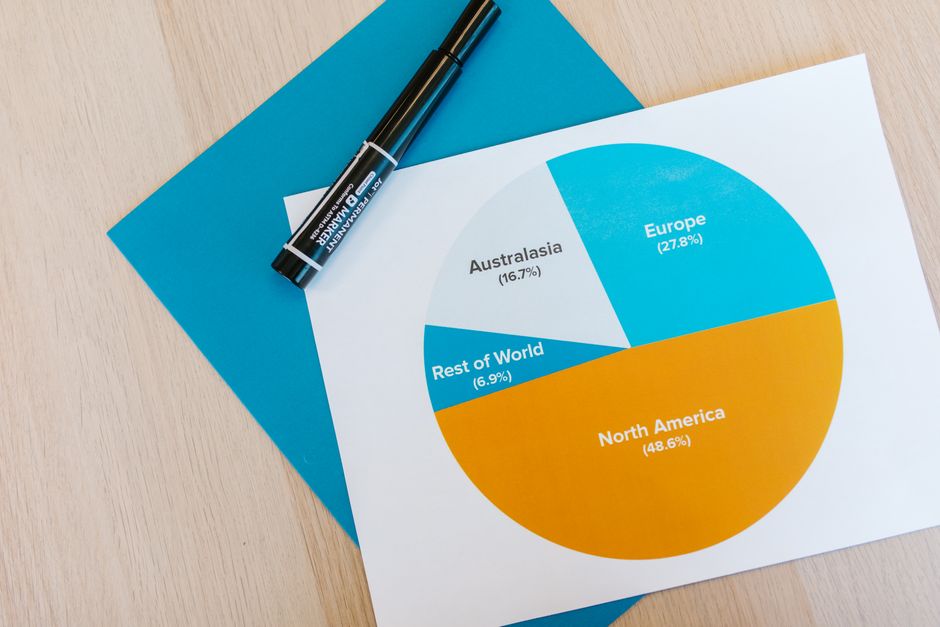
Many children find fractions confusing because they are not easy to picture. Visual models, such as bar models or mirror images, make fractions more concrete. Seeing the parts and the whole helps children understand what each fraction means.
Using mirror images to build understanding
Mirror images can reinforce the idea that fractions are equal parts of a whole. By folding paper or using a mirror, children can see how two halves, quarters or other fractions fit together to make a whole. This builds confidence before moving on to calculations.
Step-by-step: adding fractions with the same denominator
Start by drawing a rectangle and dividing it into 4 equal parts. Shade 2 parts to show 2/4.
Next, on the same rectangle, shade 1 more part in a different colour to represent adding 1/4.
Place a mirror or fold along the centre if possible, so your child can see how the parts reflect or combine.
Worked example
2/4 + 1/4
Shade 2 out of 4 parts, then add 1 more part. Now 3 out of 4 parts are shaded.
The answer is 3/4.
Try it at home
Let your child draw their own shapes, fold paper, or use a mirror to check their work. Encourage them to explain what they see. This hands-on approach can make fractions feel less abstract and more manageable.
Key insight: Visual and mirror techniques help children see that fractions are real parts of a whole, not just numbers. This makes it easier to add, compare and discuss fractions confidently.