Properties of 3D Shapes: Step-by-Step Example
23 October 2026
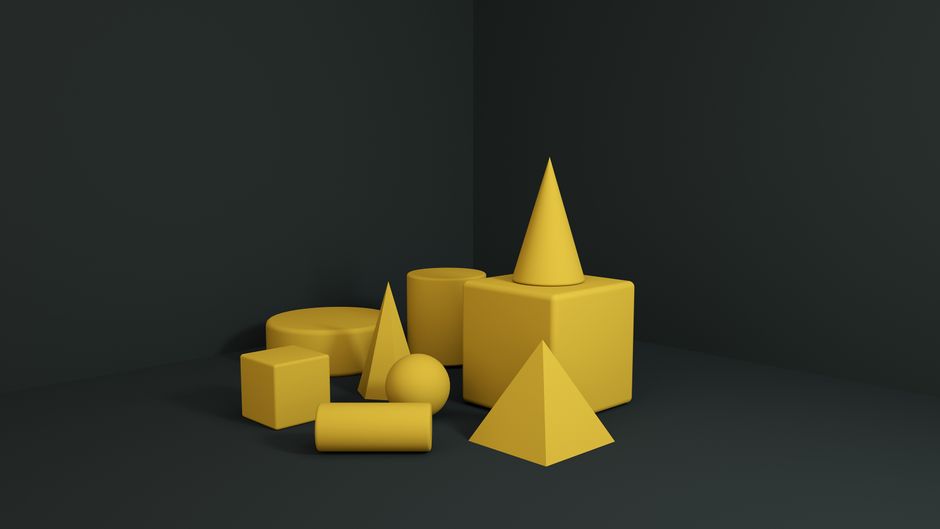
Understanding the properties of 3D shapes is an important part of 11+ maths. Children often need to recognise features like faces, edges and vertices when looking at shapes such as cuboids, cubes or pyramids.
Here is a simple example to help your child see how to identify the number of faces on a 3D shape. This type of question is common in 11+ exams and helps build strong shape knowledge.
Worked example
Question: A cuboid has 6 faces, 12 edges, and 8 vertices. How many faces does a cuboid have?
Step 1: Remember that a cuboid is like a box shape.
Step 2: Count the flat surfaces (faces) on a cuboid.
Step 3: There are 6 faces on a cuboid.
The correct answer is 6 faces.
Key insight: After working through this example, your child will be able to spot the faces on a cuboid and similar box-shaped objects. This skill will help them answer other questions about 3D shapes with more confidence.
You can now find more practice questions just like this, so your child can get used to recognising the properties of different 3D shapes.