

Measuring and drawing angles 11 plus
26 October 2026
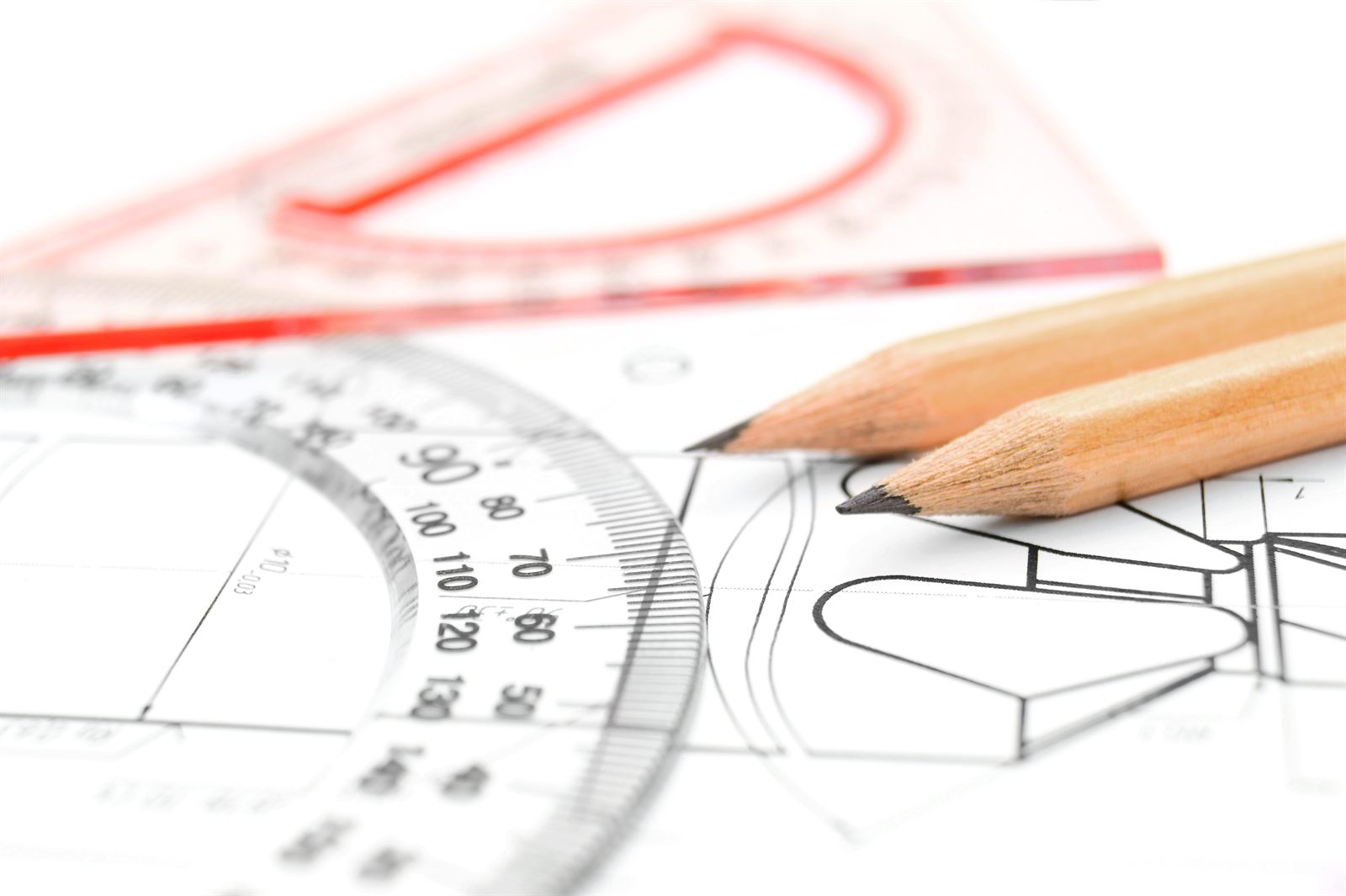
Measuring and drawing angles for 11 plus
Measuring and drawing angles is a key topic in 11+ maths. Children need to use a protractor accurately and know basic angle facts.

Key insight: Practise reading the scale on a protractor carefully. Always start measuring from zero, not from the edge of the protractor.
How to measure an angle
Place the centre of the protractor on the angle's vertex.
Line up one arm of the angle with the zero line on the protractor.
Read the number where the other arm crosses the scale. This is the angle in degrees.

Worked example: Drawing a 40 degree angle
Draw a straight line and mark one end as the vertex (point A).
Place the centre of the protractor on point A. Line up the base line of the protractor with your drawn line.
Find 40 on the protractor scale. Mark a small dot at this point.
Remove the protractor. Use a ruler to join point A to the dot. This creates a 40 degree angle.
The angle between the two lines is 40 degrees.
Tips for exam practice
Let your child practise both measuring and drawing angles of different sizes. Try acute, right, obtuse and straight angles.

Common angle facts to remember
Angles on a straight line add up to 180 degrees.
Angles around a point add up to 360 degrees.
Angles in a triangle add up to 180 degrees.
Angles in a quadrilateral add up to 360 degrees.
