
maths equality puzzles
22 October 2026
What are maths equality puzzles
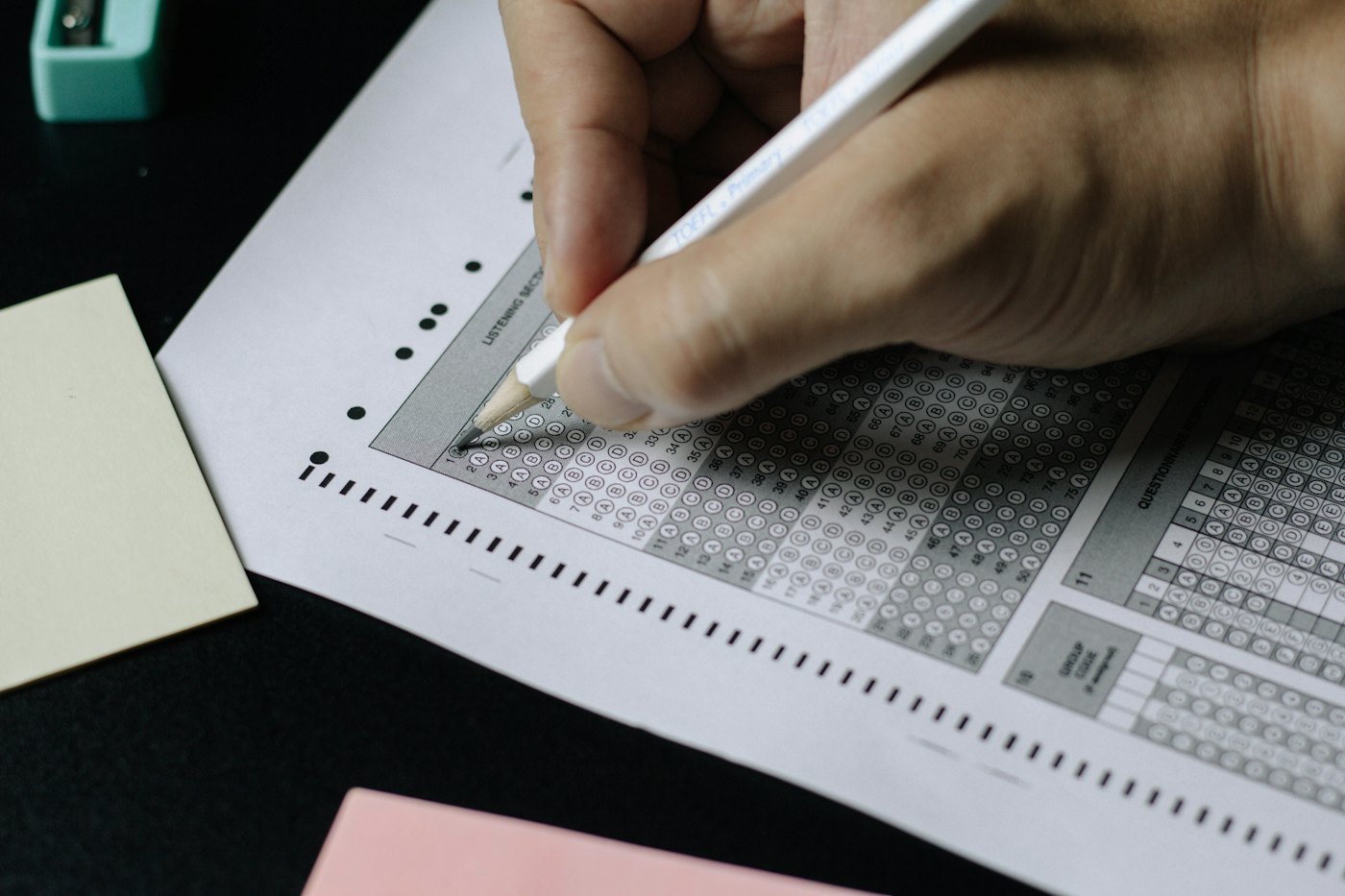
Maths equality puzzles, often called make it equal challenges, ask children to find missing numbers or values so that both sides of an equation are the same. These puzzles appear in many 11+ exams and help build confidence with basic algebra and problem solving.


Why these puzzles matter for the 11+
Solving equality puzzles helps children understand how equations work. It also develops logical thinking and prepares them for more complex algebra later on.
Step 1: Write down the puzzle
Start by copying the equation clearly. For example: 3 + x = 7. Remind your child that the goal is to make both sides equal.


Step 2: Group known and unknown values
Show your child how to keep the unknown (x) on one side and move the known numbers to the other. In our example, x stays on the left, and 3 moves to the right.
Step 3: Use the correct operation
Explain that to move 3 to the other side, you do the opposite of adding 3. So you subtract 3 from both sides: 3 + x - 3 = 7 - 3.


Step 4: Solve and check
Now you have x = 4. Encourage your child to check the answer by putting it back into the original puzzle: 3 + 4 = 7. Both sides are equal, so the solution is correct.
Worked example
3 + x = 7
3 + x - 3 = 7 - 3
x = 4
Check: 3 + 4 = 7. The answer is 4.
Encouragement for parents
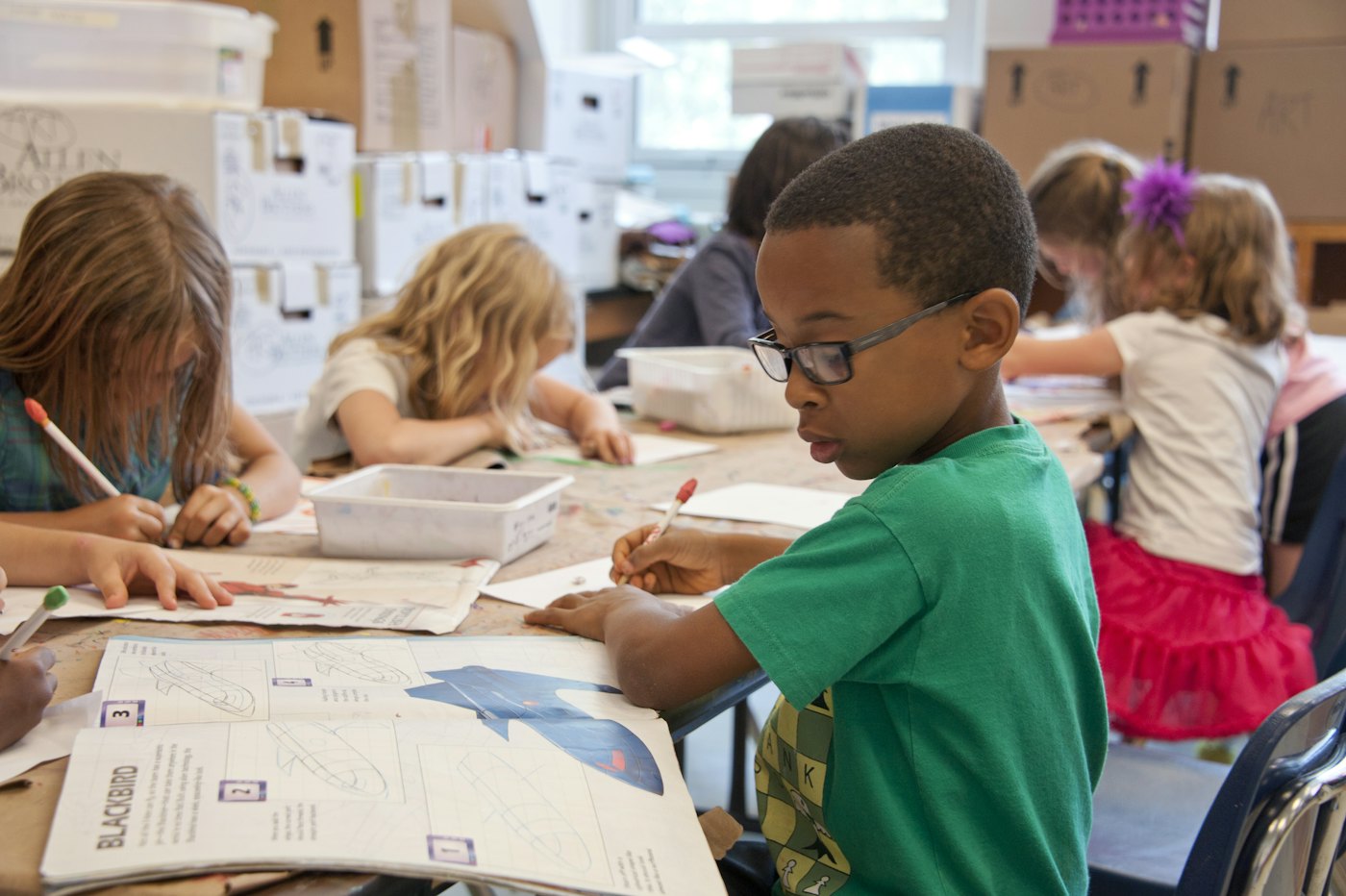
Practising these puzzles together helps children get used to equations and builds problem-solving skills for the 11+.
Key insight: These puzzles help children develop logical thinking and early algebra skills, which are essential for 11+ success.